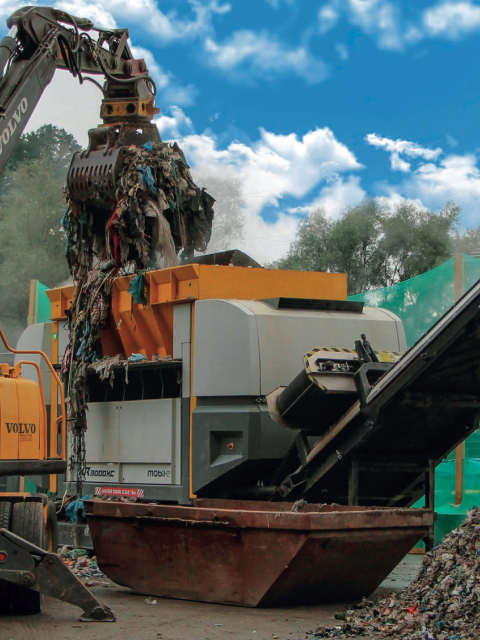
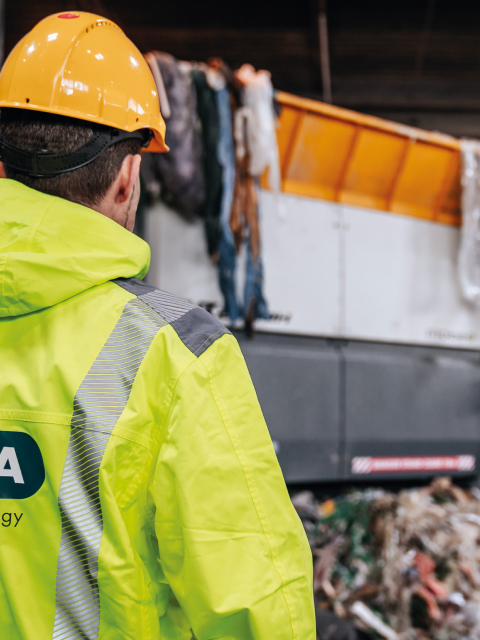
The size and composition of mattresses is extremely varied, therefore UNTHA’s flexible mattress shredders are capable of handling small, infant-sized mattresses through to super-king size and above – including pocket sprung products.
Mattresses
Mattress shredding - now possible
End-of-life mattresses are notoriously difficult to move, store and process, which means they’re widely considered a huge headache for the resource sector. Some operators would even go so far as to presume they’re economically unshreddable. Until now…
As UNTHA’s innovation has continued, so too have the possibilities when it comes to mattress shredding. We want to put a stop to the 167,000 tonnes of mattresses – that’s 7.5 million units – sent to landfill in the UK, every year. And, through clever engineering, we can even help you achieve a 100% material recovery rate.
As UNTHA’s innovation has continued, so too have the possibilities when it comes to mattress shredding. We want to put a stop to the 167,000 tonnes of mattresses – that’s 7.5 million units – sent to landfill in the UK, every year. And, through clever engineering, we can even help you achieve a 100% material recovery rate.


How can UNTHA help you shred mattresses?

Built to tackle the toughest waste streams
Globally renowned for making the ‘unshreddable’, shreddable, UNTHA has purposefully designed a flexible, heavy duty mattress shredder with 3m wide loading aperture, that can mechanically dismantle a mattress in as little as 30 seconds, compared to the 7-10 minutes it would typically take a skilled worker to manually break down this complex product.
Optimised particle size
Shredding down to a pre-defined homogenous particle size – such as a <50mm fraction – to liberate steel from the flock, empowers downstream separation technology to best do its job! In fact, it’s possible to produce a highly calorific 30mm clean flock – free of contaminated material – which can be mixed to create a Solid Recovered Fuel. Even the residual contaminated arisings can be re-shred for alternative fuel production.
Maximum uptime
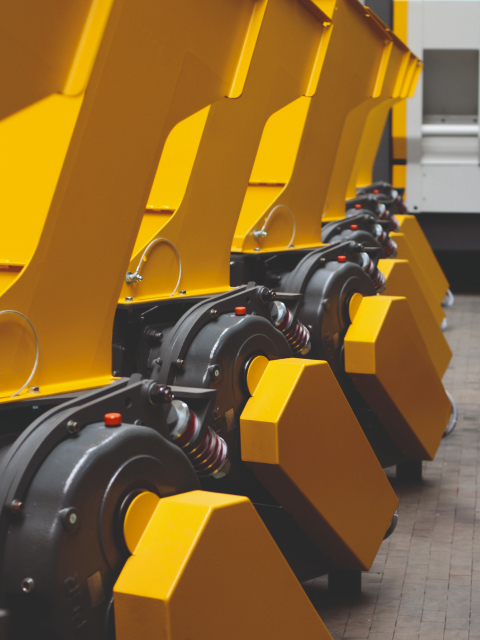
Every design feature within an UNTHA mattress shredder, has been engineered to enhance plant uptime, minimise operational disruption and maximise ROI. Talk to us about variable product sizing, our indexable quick-change cutter system, our electric drive, low cost wear parts, long service intervals, and a payback period as little as 12 months!
Industry-leading heritage
UNTHA’s team is as well-known as our technology, which sees operators routinely involve our shredding experts in the earliest stages of their projects. We are happy to help design mattress shredding lines and regularly consult with new and existing facilities to boost throughputs, refine output quality, increase production margins, and reduce whole life running costs.